Aerospace Engineering and the Quest for High-Quality Parts
Understanding the Aerospace Industry and Its Components
Overview of Aerospace Engineering
Aerospace engineering stands at the forefront of technological innovation, focusing on the design, development, and testing of aircraft and spacecraft. This multifaceted discipline combines aspects of mechanical engineering, electrical engineering, and materials science to create efficient and effective aerospace components. With a primary focus on performance, safety, and reliability, aerospace engineers work on various projects, from commercial airliners to military aircraft and space exploration vehicles. The precision required in aerospace manufacturing is unparalleled, as even the slightest defect can result in catastrophic failures. Thus, the aerospace industry demands rigorous standards and comprehensive knowledge of engineering principles to ensure the highest quality in every aerospace component.
Key Aerospace Components and Their Functions
Aerospace components encompass a range of critical parts that contribute to the functionality and safety of aircraft and spacecraft. Actuators control flight surfaces, while sensors monitor various parameters, including speed and altitude. Valves regulate fluid flow in hydraulic systems, and vibration isolation components minimize disturbances during flight. Materials used in these components, such as titanium and advanced composites, provide the necessary strength-to-weight ratio essential for performance. Each component plays a vital role in the overall system, requiring precise engineering to ensure interoperability and reliability under extreme conditions. Manufacturers must understand these components' specific functions and interactions to maintain the integrity of the aerospace systems they produce.
The Role of Aerospace Engineers in Component Design
Aerospace engineers play a critical role in the design and production of aerospace components. They apply their engineering expertise to create innovative solutions that enhance the performance and safety of aircraft and spacecraft. Through computer-aided design (CAD) and simulation technologies, these engineers can visualize and test components under various conditions before physical manufacturing begins. Collaboration among a team of engineers, including structural, systems, and materials specialists, is essential for addressing complex challenges. Aerospace engineers must also stay updated on industry regulations and quality standards, such as AS9100 and ISO 9001, to ensure their designs meet the necessary certifications for successful integration into aerospace manufacturing processes.
Quality Standards and Certifications in Aerospace Manufacturing
Importance of AS9100 and ISO 9001 Certifications
Quality management in aerospace manufacturing hinges on adherence to stringent standards such as AS9100 and ISO 9001. AS9100, specifically designed for the aerospace industry, ensures that manufacturers implement effective quality management systems that enhance customer satisfaction and safety. This certification covers various aspects, including design, development, production, and service, establishing a comprehensive framework for quality assurance. On the other hand, ISO 9001 serves as a broader quality management standard applicable to various industries. However, achieving these certifications requires a commitment to continuous improvement and rigorous adherence to quality control processes, which are essential in the high-stakes environment of aerospace manufacturing.
Understanding NADCAP and Its Impact on Quality Control
NADCAP, or the National Aerospace and Defense Contractors Accreditation Program, focuses on the special processes used within aerospace manufacturing. It sets forth specific requirements for quality assurance, emphasizing the importance of rigorous inspection and testing. By obtaining NADCAP accreditation, manufacturers demonstrate their commitment to maintaining high standards and ensuring that their processes meet industry benchmarks. The impact of NADCAP on quality control is profound, as it helps reduce variability and enhances the reliability of aerospace components. Manufacturers that adhere to NADCAP standards gain a competitive edge, as they can assure clients of their commitment to excellence in quality management and production processes.
The Role of Quality Management Systems in Aerospace Manufacturing
Quality management systems (QMS) play a crucial role in aerospace manufacturing, ensuring that all processes align with industry standards and regulations. A robust QMS facilitates continuous monitoring and improvement of manufacturing practices, which is vital given the complexity of aerospace components and systems. By implementing a QMS, manufacturers can effectively manage risk, improve operational efficiency, and enhance product reliability. Regular audits and assessments ensure compliance with quality standards, while employee training fosters a culture of quality awareness. As a result, a well-structured QMS not only bolsters customer confidence but also supports manufacturers in navigating the challenges associated with aerospace production.
Precision Manufacturing Techniques for Aerospace Components
Machining and Fabrication Processes
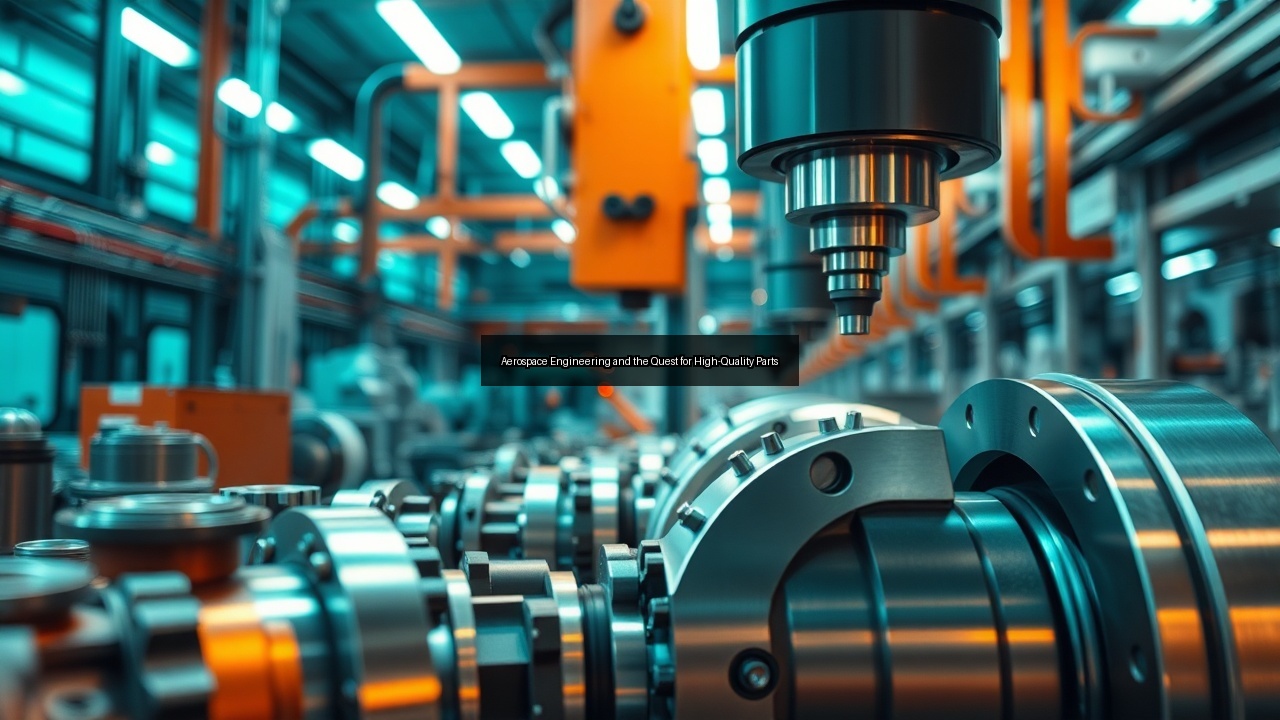
Precision manufacturing techniques are critical in producing aerospace components that meet strict tolerances and performance criteria. Machining processes, such as milling, turning, and drilling, allow manufacturers to create intricate and precise geometries from raw materials. Fabrication techniques, including welding and assembly, further shape these components into final products. Advanced CNC machines and automation have transformed traditional machining, enhancing precision and efficiency while reducing lead times. The combination of skilled labor and cutting-edge technology ensures that aerospace components maintain the required quality and performance standards, which are paramount in the industry.
Quality Assurance in Manufacturing Tolerances
Manufacturing tolerances define the allowable variations in dimensions for aerospace components, directly impacting performance and safety. Quality assurance processes monitor these tolerances throughout production, ensuring that each component meets specified criteria. Engineers utilize statistical process control and inspection techniques to verify that manufacturing processes remain within acceptable limits. Non-destructive testing methods, such as ultrasonic and radiographic testing, further enhance quality assurance by identifying potential defects without compromising the integrity of the components. By maintaining strict adherence to tolerances, manufacturers can ensure that aerospace components perform reliably under extreme conditions and contribute to the overall safety of the aircraft or spacecraft.
Materials Used in Aerospace Components: Titanium and Composites
The choice of materials significantly impacts the performance and durability of aerospace components. Titanium, known for its high strength-to-weight ratio, corrosion resistance, and ability to withstand high temperatures, is widely used in critical applications. Its lightweight nature reduces overall aircraft weight, enhancing fuel efficiency. In recent years, advanced composites, such as carbon fiber reinforced polymers, have gained popularity due to their exceptional strength and lightweight properties. These materials allow for innovative designs and improved performance metrics, making them ideal for aerospace applications. Manufacturers must carefully consider the material properties and selection criteria to ensure that each component meets the demanding requirements of the aerospace industry.
The Supply Chain for Certified Aerospace Precision Components
Traceability and Inspection in the Supply Chain
Traceability is a cornerstone of the aerospace supply chain, enabling manufacturers to track components from production to installation. This process ensures accountability and facilitates compliance with regulatory requirements. Each component must have a documented history, including material certifications, inspection reports, and supplier information. Inspections at various stages of the supply chain verify that components meet quality standards and specifications. By employing advanced tracking systems and rigorous inspection protocols, manufacturers can mitigate risks associated with counterfeit parts and ensure the integrity of their aerospace components. A transparent supply chain fosters trust among stakeholders and enhances overall product reliability.
Challenges in Sourcing Quality Aerospace Parts
Sourcing high-quality aerospace parts presents significant challenges for manufacturers. The increasing complexity of aerospace components, along with the stringent quality standards, creates a demanding environment for suppliers. Limited availability of certified manufacturers and rising costs can further complicate sourcing efforts. Additionally, geopolitical factors and supply chain disruptions can impact the timely delivery of critical components. Manufacturers must cultivate strong relationships with reliable suppliers and invest in strategic sourcing practices to navigate these challenges effectively. By enhancing collaboration within the supply chain, they can ensure access to the certified aerospace precision components necessary for successful production.
The Future of Aerospace Component Supply Chains
The future of aerospace component supply chains hinges on innovation and adaptability. As the industry embraces digital transformation, technologies such as blockchain and artificial intelligence will revolutionize traceability and quality assurance processes. These advancements enable real-time monitoring of production and supply chain activities, enhancing transparency and efficiency. Sustainability initiatives will also shape the future landscape, with manufacturers increasingly focusing on eco-friendly materials and practices. By leveraging these technologies and trends, the aerospace industry can create resilient supply chains capable of meeting evolving demands while maintaining the highest quality standards for aerospace components.